3D printing, also known as additive manufacturing, is a technology that allows the creation of three-dimensional objects from a digital file. This innovative process is rapidly changing the landscape of various industries, including healthcare, automotive, and consumer goods. By enabling rapid prototyping, custom designs, and reduced material waste, 3D printing is enhancing productivity and creativity while offering a competitive edge. As technology continues to evolve, its applications are becoming more diverse, prompting an exploration of how 3D printing reshapes both traditional and emerging sectors.
What is 3D Printing?
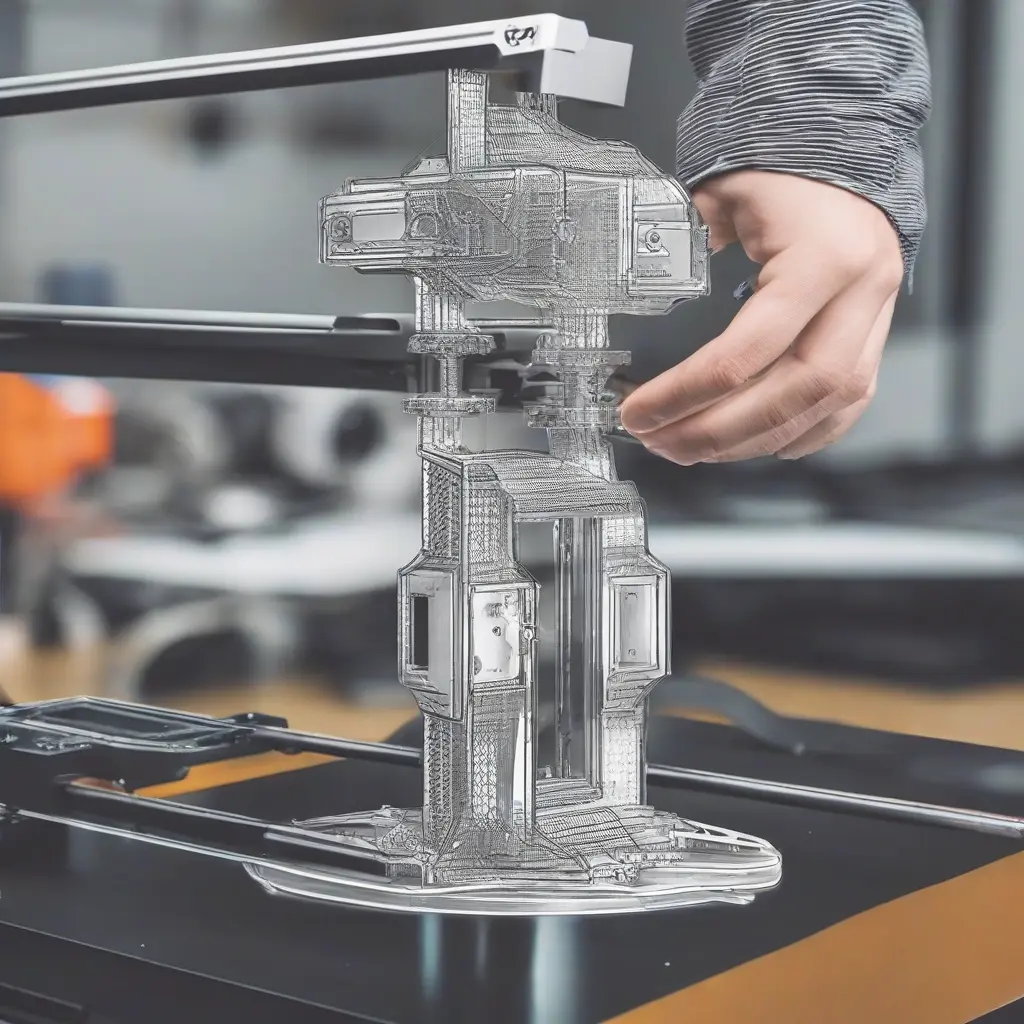
3D printing is a process of creating three-dimensional objects by layering materials, often based on digital blueprints. The technique typically involves using a 3D printer to deposit materials such as plastic, metal, or resin in fine layers to build the desired shape. The technology has evolved significantly since its inception, with various methods available, such as Fused Deposition Modeling (FDM), Stereolithography (SLA), and Selective Laser Sintering (SLS). These processes enable manufacturers to create everything from simple parts to complex structures with remarkable precision.
How 3D Printing Works
The 3D printing process begins with creating a digital model using Computer-Aided Design (CAD) software or 3D scanning technology. Once the model is prepared, it is sliced into hundreds or thousands of layers using slicing software. This file is then uploaded to the 3D printer, which interprets the data and begins layering the chosen material. Each layer solidifies, eventually resulting in a finished, three-dimensional object. This layer-by-layer approach allows for a high degree of customization and complexity in designs, often unattainable through traditional manufacturing methods.
Applications in Healthcare
In the healthcare sector, 3D printing is revolutionizing custom medical devices, prosthetics, and even bioprinting tissues and organs. Personalization is key in medicine, and 3D printing allows the creation of tailored implants and prosthetic limbs that fit individual patients perfectly. Additionally, surgical models printed from a patient’s scans enable surgeons to practice complex procedures, increasing the chances of favorable outcomes. As research progresses, the possibility of printing living tissue opens new avenues for transplantation and regenerative medicine, changing the way treatments are approached.
3D Printing in Automotive Manufacturing
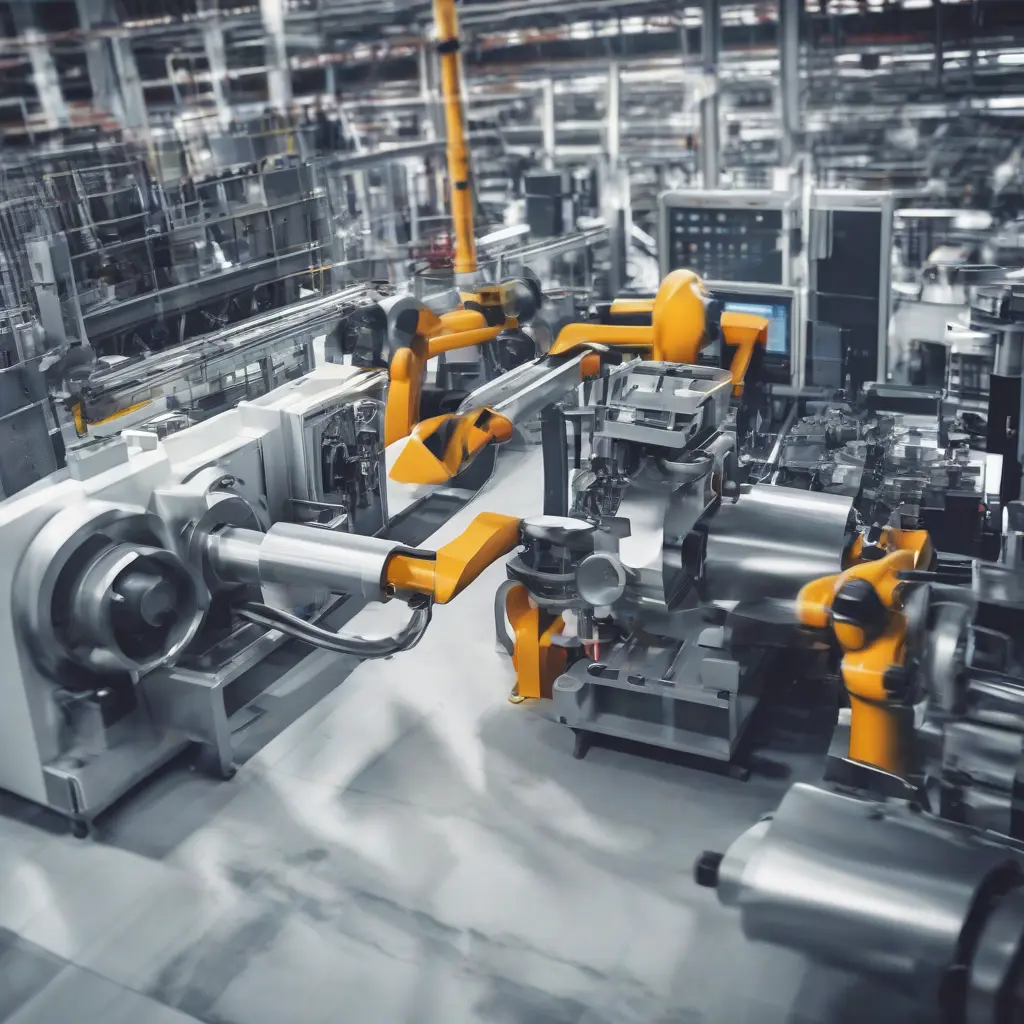
The automotive industry is leveraging 3D printing for rapid prototyping and manufacturing of parts. Various car manufacturers use this technology to create prototypes quickly and cost-effectively, significantly reducing the time taken from concept to production. This capability encourages innovation and experimentation with new designs and materials. Moreover, 3D printing is also used for creating lightweight parts, which enhances fuel efficiency. This shift toward additive manufacturing not only streamlines production processes but also opens the door for more sustainable manufacturing practices.
Consumer Product Innovations
3D printing is transforming the consumer goods industry by enabling the production of customized products on demand. Key sectors, such as fashion, jewelry, and home décor, are making use of this technology to create unique items tailored to individual preferences. Brands can offer consumers the option to design their own products, which enhances customer engagement and satisfaction. This shift from mass production to customization allows manufacturers to reduce inventory costs and waste, leading to more sustainable practices in consumer product innovation.
Enhancing Education with 3D Printing
3D printing is being integrated into educational settings, allowing students to develop hands-on skills in design, engineering, and technology. Schools and universities are adopting 3D printers as tools for project-based learning, enabling students to visualize their concepts and bring them to life. This practical experience fosters creativity and problem-solving skills. Furthermore, educational institutions can create customized learning materials or models, enhancing the overall educational experience and inspiring the next generation of innovators and creators.
Challenges and Limitations of 3D Printing
Despite its many advantages, 3D printing does face challenges and limitations. One primary concern is the speed of production; while 3D printing is excellent for prototypes, scaling up for large-scale production can be slow. Additionally, the range of materials compatible with 3D printing technologies is still limited compared to traditional manufacturing methods. Quality control also poses issues, as printed parts can vary in strength and finish depending on the process used. Addressing these challenges will be essential for wider adoption across various industries.
Future Trends in 3D Printing
Looking ahead, the future of 3D printing is promising, with advancements anticipated in materials science, technology, and applications. Emerging materials such as bio-inks for medical use and new composites for industrial applications are being developed. Additionally, the integration of artificial intelligence and machine learning with 3D printing will enhance design optimization and process efficiencies. Industries are exploring distributed manufacturing models enabled by 3D printing, which could decentralize production and reduce supply chain complexities, making manufacturing more agile and responsive.
Conclusion
3D printing stands at the forefront of technological innovation, with the potential to significantly alter various industries. By facilitating customization, speeding up prototyping, and promoting sustainable practices, this technology is reshaping how products are designed and manufactured. As 3D printing continues to evolve, its applications may expand into even more sectors, fostering innovation and efficiency. Awareness and understanding of this transformative technology are crucial for businesses and consumers alike, as it paves the way for future advancements.