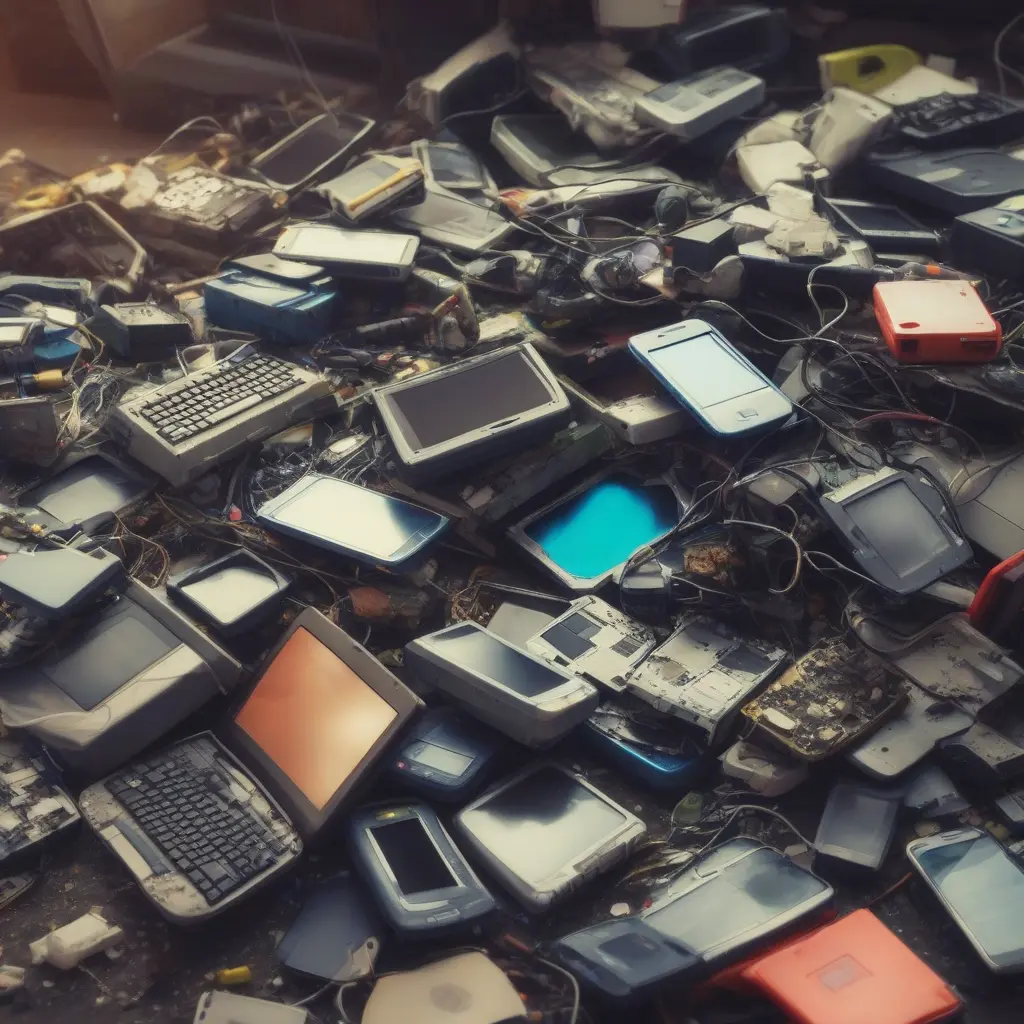
As technology continues to evolve, electronic devices quickly become outdated, contributing to a growing problem known as e-waste. Disposing of old electronics safely is essential for protecting the environment and conserving valuable resources. The process can seem daunting, but following a step-by-step guide can simplify e-waste recycling. This article will provide a thorough approach to ensure your discarded electronics are handled responsibly, reducing their impact on the planet while also adhering to safety and legal standards.
Understanding E-Waste and Its Impact
E-waste refers to discarded electronic devices, including computers, smartphones, and appliances. These items often contain hazardous materials such as lead, mercury, and cadmium, which can leach into the environment if not disposed of properly. The improper disposal of e-waste contributes to soil and water pollution, posing significant health risks to humans and wildlife. Additionally, e-waste represents a lost opportunity for recycling valuable materials like gold and copper. Therefore, understanding its impact is the first step in responsible disposal.
Assessing Your Electronic Devices
Before disposing of your electronic devices, it’s important to assess their condition. Determine whether the device can still function or be repaired. If it’s still operational, consider donating or selling it to extend its life. For items that are no longer usable, identify which components can be recycled and which may need special handling due to hazardous materials. This evaluation is crucial for effective disposal and ensures that reusable parts are not wasted in landfills.
Research Local E-Waste Disposal Options
Finding the right e-waste disposal options in your area is crucial for responsible recycling. Many local municipalities and organizations offer e-waste recycling programs, including drop-off locations and scheduled collection events. Use government websites or e-waste recycling directories to identify accredited facilities that follow safe disposal practices. When researching, look for certifications and documents that specify compliance with environmental regulations to ensure your e-waste is managed properly.
Preparing Electronics for Recycling
Preparing your electronics for recycling involves several steps to ensure safety and compliance. First, back up any important data and perform a factory reset or wipe to erase personal information from the device. Remove batteries, if applicable, as many recycling programs require separate handling for these. Finally, clean the device to remove any physical contaminants. Proper preparation minimizes risks during the recycling process while helping protect your personal information.
Finding a Certified E-Waste Recycler
Selecting a certified e-waste recycler is vital for ensuring responsible disposal of your electronic devices. Organizations such as the Responsible Recycling (R2) or e-Stewards certification programs provide lists of accredited recyclers who adhere to strict environmental standards. When choosing a recycler, inquire about their processing methods, data destruction protocols, and recycling rates. Verify their credentials by checking reviews and references to ensure they prioritize environmental safety.
E-Waste Drop-Off Events
Participating in e-waste drop-off events is an excellent way to dispose of old electronics responsibly. These events typically occur in various locations, including community centers and schools, allowing residents to safely recycle their items at no cost. Check local listings or community bulletins for upcoming events, and be sure to follow the guidelines provided for acceptable items. Engaging in these events not only helps individuals manage their e-waste but also promotes awareness within the community about responsible electronic disposal.
Mail-In Recycling Programs
In addition to local drop-off locations, many companies offer mail-in recycling programs as a convenient option for disposing of old electronics. Gather your outdated devices and send them to participating retailers or specialized recycling organizations, usually free of charge. These programs often provide prepaid shipping labels and instructions for proper packaging to ensure the safe transport of materials. Utilizing these services not only improves accessibility to e-waste recycling but also fosters a culture of environmental responsibility.
Recycling vs. Landfilling
Understanding the difference between recycling and landfilling is crucial in e-waste management. Recycling involves breaking down electronic devices to recover valuable materials like metals and plastics, which can then be repurposed in new products. In contrast, landfilling involves discarding electronics in waste sites, leading to pollution and wasted resources. By choosing recycling over landfilling, individuals contribute to sustainability efforts and help alleviate the e-waste crisis facing our planet.
Common E-Waste Myths
Many myths surround e-waste recycling that can hinder responsible disposal. One common misconception is that electronic devices will naturally decompose over time, which is false as they can remain harmful for decades if landfilled. Another myth is that recycling programs are too complicated or costly, whereas many offer free options. Addressing these myths is important for encouraging responsible behavior and promoting public participation in effective e-waste recycling efforts.
The Role of Manufacturers in E-Waste Management
Manufacturers play a critical role in e-waste management by implementing take-back programs that allow consumers to return old devices for recycling. These initiatives foster a circular economy, where products are designed with recycling in mind, reducing environmental impact. Some companies even offer trade-in programs, providing consumers with incentives to recycle. By holding manufacturers accountable for their products, consumers can drive greater responsibility in the industry as a whole.
Educating the Community
Community education is vital for increasing awareness about e-waste and how to recycle effectively. Local workshops, presentations, and informational campaigns can help spread knowledge on responsible disposal practices. Educational programs can target schools and community organizations to instill best practices in the next generation. By fostering a culture of environmental responsibility, communities can collectively work towards reducing e-waste and championing sustainable practices.
Conclusion
Effective e-waste disposal is a shared responsibility that requires informed actions from individuals, manufacturers, and communities. By following the steps outlined in this guide, you can play an active role in reducing waste and protecting the environment. Engaging with local recycling programs, educating yourself, and promoting responsible practices within your community are critical steps in making a lasting impact. Together, we can create a safer and more sustainable future.