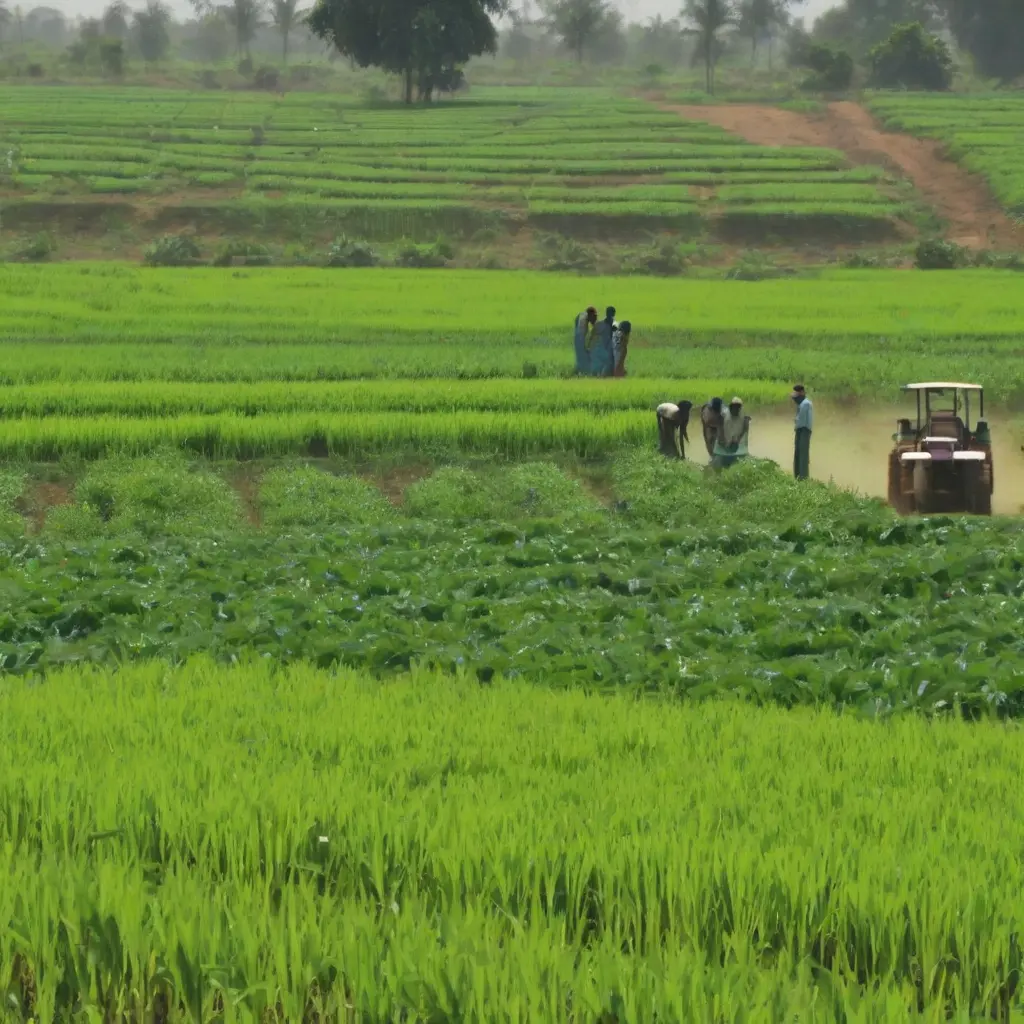
India’s rural markets present vast opportunities for businesses willing to adapt and innovate. With over 65% of the population residing in villages, understanding how to tap into this demographic is crucial. Digital marketing tools can bridge the gap between urban and rural consumers, allowing brands to connect with this audience more effectively than traditional methods. By leveraging these technologies, companies can create tailored marketing strategies that resonate with local communities, enhancing engagement and driving sales.
Understanding the Rural Demographics
To effectively reach rural markets, it’s important to first understand the demographics that characterize these areas. Rural consumers often have distinct preferences and purchasing behaviors compared to their urban counterparts. Factors such as age, education levels, and income impact buying decisions. Moreover, rural consumers tend to prioritize value and durability over luxury. By conducting thorough market research, businesses can gain insights into these demographics, enabling them to tailor their marketing strategies and product offerings.
Leveraging Social Media Platforms
Social media has emerged as a pivotal tool for digital marketing, even in rural areas. Platforms like Facebook, WhatsApp, and Instagram are gaining traction among rural populations, presenting businesses with a unique opportunity for engagement. Creating localized content that speaks to the interests and culture of rural consumers can enhance brand visibility. Engagement through social media channels not only builds brand loyalty but also facilitates interaction and feedback, allowing brands to fine-tune their offerings effectively.
Utilizing Mobile Marketing Techniques
With the increasing penetration of smartphones, mobile marketing has proven effective in reaching rural audiences. Mobile apps, SMS campaigns, and targeted advertisements can help brands communicate directly with consumers. Rural users often access information primarily through their mobile devices, making this a strategic channel. Optimizing marketing content for mobile access ensures that brands effectively reach their target demographic, fostering a more personal connection and driving conversions.
Creating Relevant Content
The success of digital marketing in rural areas largely depends on the relevance and relatability of the content. Crafting messages that resonate with local cultures, languages, and traditions is crucial. Storytelling that reflects the aspirations and values of rural consumers can significantly enhance engagement. Brands should consider using local dialects, imagery, and examples that rural consumers can identify with, thereby creating a deeper emotional connection that translates into brand loyalty.
Implementing Email Marketing Strategies
Email marketing remains a powerful digital tool that can be effectively adapted for rural markets. Despite lower internet penetration, a growing number of rural consumers are accessing email through their mobile devices. Customized newsletters, promotions, and personalized messages can help businesses maintain direct contact with their audience. By providing valuable information, such as tips, local news, or product updates, brands can cultivate a loyal subscriber base even in remote regions.
Engaging Local Influencers
Collaborating with local influencers can amplify the reach of digital marketing campaigns in rural areas. Influencers with a strong local presence can help bridge the gap between brands and consumers, making marketing messages more trustworthy. By aligning with individuals who resonate with the target audience, businesses can enhance credibility and encourage community engagement. Local influencers can provide insights into cultural nuances and consumer behavior, further optimizing marketing strategies.
Utilizing Search Engine Optimization (SEO)
Search Engine Optimization (SEO) is fundamental for digital visibility, particularly when targeting rural markets. By optimizing content with region-specific keywords, businesses can enhance their online presence and ensure better rankings on search engines. Considering the local dialect and phrases used by consumers in rural areas is essential. Conducting keyword research that reflects local search behaviors can help brands craft content that meets the specific needs of their audience, thereby driving more relevant traffic.
Adapting E-commerce for Rural Consumers
E-commerce is transforming retail in rural India, offering consumers access to a wide range of products. However, adapting e-commerce platforms to suit rural preferences is essential. Simplifying user interfaces, offering regional language options, and implementing cash-on-delivery payment methods cater to this demographic’s unique needs. Furthermore, integrating local delivery systems can enhance accessibility, making online shopping a feasible and appealing option for rural consumers seeking convenience and variety.
Measuring and Analyzing Efforts
To understand the effectiveness of digital marketing strategies in rural markets, continuous measurement and analysis are vital. Tools like Google Analytics and social media insights can provide valuable data on audience engagement and behavior. By evaluating metrics such as website traffic, conversion rates, and customer feedback, businesses can gain insights into what works and what needs adjustment. This data-driven approach allows for the optimization of marketing strategies to better align with rural consumers’ preferences.
Conclusion
Engaging rural markets in India through digital marketing tools requires a multifaceted approach that prioritizes understanding, relevance, and accessibility. Businesses must tailor their strategies to resonate with local consumers by leveraging social media, mobile marketing, and localized content. By continuously measuring efforts and adapting to market dynamics, brands can successfully tap into the vast potential of rural markets, driving growth and fostering lasting relationships with consumers.