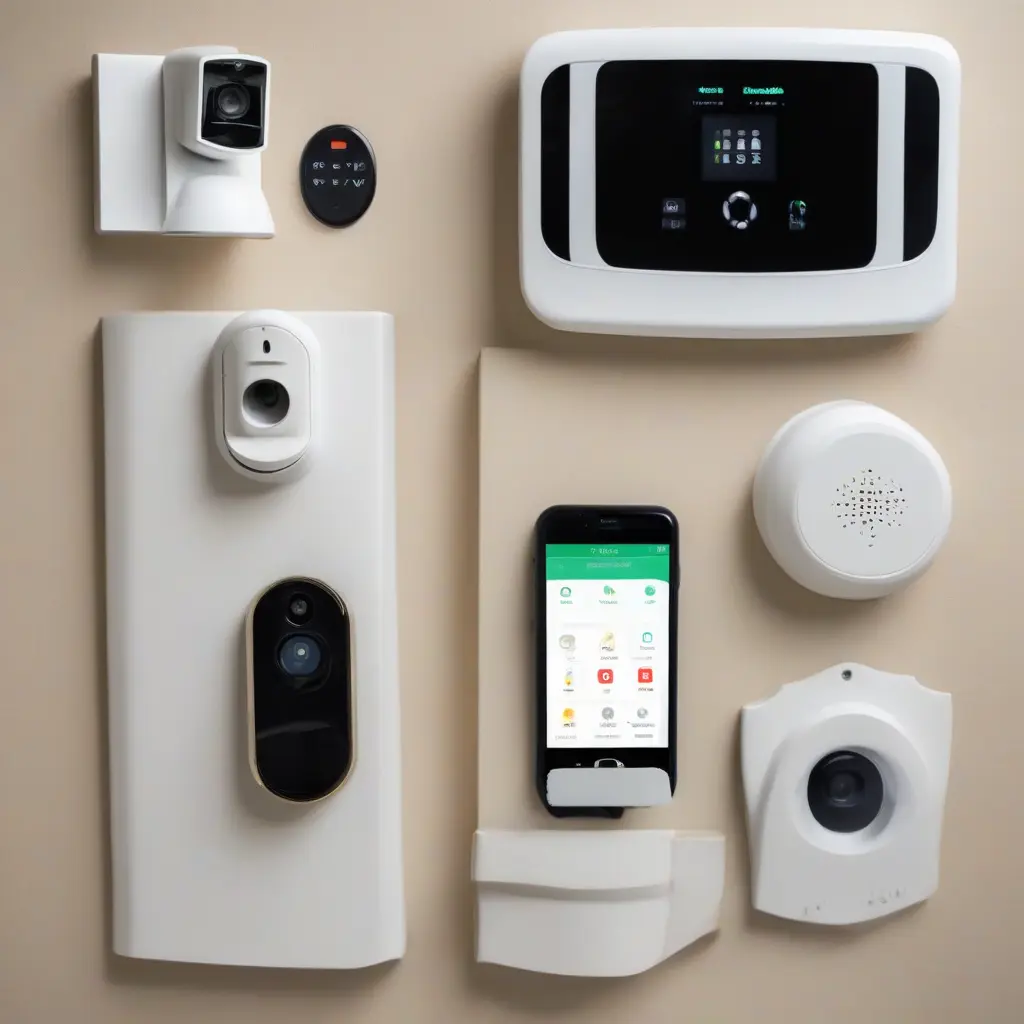
Smart home security systems have gained popularity due to their ability to enhance safety and security in residential spaces. These advanced systems combine various devices and technologies to provide round-the-clock surveillance and monitoring options. Understanding the basics of these systems is essential for homeowners looking to protect their property effectively. In this guide, we’ll explore the key components of smart home security systems, how to choose the right devices for your needs, and steps for successful installation.
What is a Smart Home Security System?
A smart home security system is an integrated network of devices designed to monitor home security and provide alerts in case of intrusions or emergencies. These systems typically include cameras, motion detectors, door/window sensors, and smart locks that can be controlled remotely via smartphones or tablets. By leveraging Internet of Things (IoT) technology, these systems offer real-time notifications and the ability to monitor your home from anywhere in the world, making them a crucial investment for modern homeowners.
Key Components of Smart Security Systems
Smart home security systems consist of several key components that work together to ensure comprehensive protection. Cameras are used for surveillance, providing visual evidence and helping deter potential intruders. Motion sensors detect unusual activity, triggering alarms or notifications. Additionally, smart locks and door/window sensors enhance security by notifying homeowners of breaches. By understanding each component’s role, you can select the right devices to form an effective security solution tailored to your home.
Choosing the Right Security System for Your Home
When selecting a smart security system, it is important to consider your unique needs and circumstances. Evaluate the layout of your home, including entry points and areas that require surveillance. Assess your budget, as systems vary widely in price based on features and capabilities. Additionally, consider whether you prefer a DIY system or a professionally monitored option, as each comes with varying levels of involvement and cost. Proper analysis will help you choose a system that aligns with your lifestyle.
Wired vs. Wireless Smart Security Systems
A vital consideration when choosing a smart home security system is whether to opt for a wired or wireless setup. Wired systems are known for their reliability and stability, as they offer a consistent connection. However, installation can be intrusive and expensive. Conversely, wireless systems provide flexibility and ease of installation, allowing devices to be placed anywhere without the hassle of cables. Both types have their pros and cons, so evaluate which best suits your living situation and preferences.
Integrating Smart Home Security with Other Systems
For enhanced functionality, consider integrating your smart home security system with other smart home devices. This can include lighting systems, smart thermostats, and home assistants. For instance, setting up automated lighting to turn on when motion is detected adds an extra layer of security and convenience. Integration can also streamline control, allowing you to manage multiple aspects of your home through a single app. This cohesive approach can greatly improve home security and user experience.
Installation Tips for Smart Security Systems
Installing a smart home security system can be straightforward, but following certain best practices ensures optimal functionality. Start by carefully planning the locations of cameras and sensors, ensuring coverage of vulnerable entry points. Follow the manufacturer’s instructions meticulously during setup to avoid errors. It’s advisable to conduct a test run after installation to confirm that all devices are functioning as intended. Proper setup enhances effectiveness and ensures that your home is adequately monitored.
Regular Maintenance and Updates
Once your smart home security system is installed, regular maintenance and updates are crucial to keep it functioning optimally. Check batteries and device functionality periodically to avoid any lapses in security. Many systems also require software updates to enhance security measures and introduce new features. Making it a habit to regularly review your system can prevent vulnerabilities and ensure that you are utilizing all available functionalities.
Understanding Smart Security Protocols
Familiarizing yourself with smart security protocols can enhance your system’s effectiveness. Key protocols like Wi-Fi, Zigbee, and Z-Wave govern how devices communicate within the network. Each has its strengths, such as range and power consumption, which can significantly impact system performance. Understanding these protocols and selecting devices that use compatible technologies can help create an efficient, reliable smart home security network.
The Role of Monitoring Services
Many smart home security systems offer optional professional monitoring services, which can be vital for comprehensive home protection. These services typically include round-the-clock monitoring from a central station that can instantly respond to alerts or emergencies. While there is an added cost, this service can provide peace of mind, especially for those who travel frequently or have extended absences from home. Evaluate whether professional monitoring suits your lifestyle and security needs.
Responding to Security Alerts
Understanding how to respond to security alerts is key to ensuring your safety and that of your property. Be prepared by setting up a response plan that includes whom to contact in case of emergencies. Immediately assess alerts through the security app and determine whether to contact law enforcement or approach the situation yourself. Clear communication with household members about emergencies will also streamline your response process and enhance safety.
Conclusion
Choosing and installing the right smart home security system is a crucial step towards ensuring your home’s safety. By understanding the necessary components, assessing your options, and following the best practices for installation and maintenance, you can create a more secure living environment. Remember, investing in your home security is investing in peace of mind for you and your loved ones.