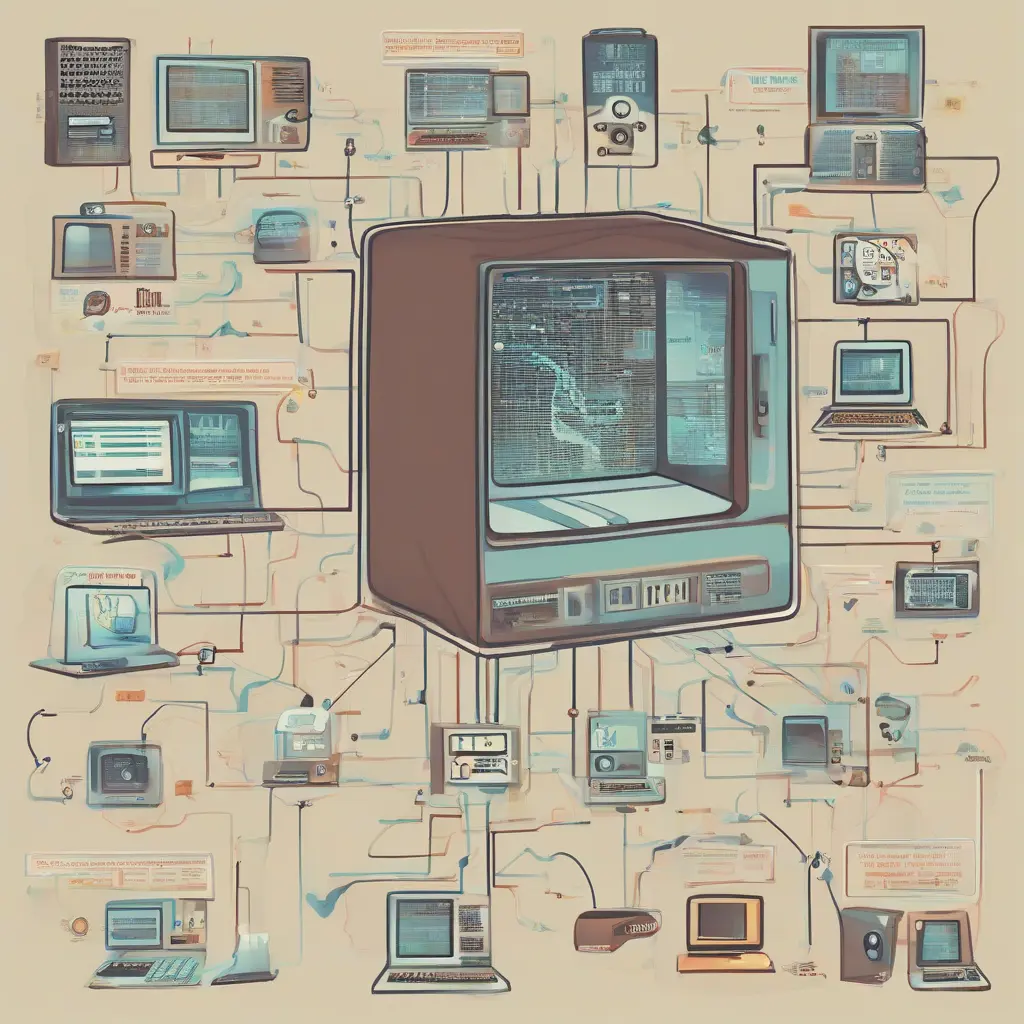
The internet is a complex yet fascinating system that connects millions of devices worldwide, enabling the sharing of information and communication. For beginners, understanding the internet’s basic components is essential to navigate this vast digital landscape. This guide will break down how the internet operates, its structure, and its significance in our daily lives. By the end, you will have a clearer picture of how data travels, what web protocols are involved, and the importance of internet security.
What is the Internet?
The internet is a global network that connects computers and devices, allowing them to communicate and share information. It consists of a vast infrastructure of servers, networks, and various protocols that facilitate the transfer of data. Although many use the internet for browsing websites and social media, it also supports many applications, including email, online gaming, and cloud services. Essentially, the internet serves as the backbone of modern communication and information exchange, transforming how people interact and conduct business.
How Does Data Travel on the Internet?
Data travels across the internet through a series of interconnected networks. When you send or receive information, it is broken down into smaller packets, each containing the data’s address and content. These packets move across different routes through routers, which determine the best path for the data to travel. Once all packets reach their destination, they are reassembled into the original message. This efficient process allows for rapid communication, making it possible for information to travel around the world in just seconds.
Understanding IP Addresses
An IP address, or Internet Protocol address, is a unique identifier assigned to each device connected to the internet. It functions similarly to a home address, helping to ensure data packets reach their intended destination. There are two versions of IP addresses: IPv4 and IPv6. IPv4 addresses are composed of four sets of numbers, while IPv6 offers a larger address space using alphanumeric characters. As devices connected to the internet continue to grow, understanding IP addresses becomes vital for network management and navigation.
What Are Internet Protocols?
Internet protocols are standardized rules governing how data is transmitted over the internet. These protocols ensure reliable communication between devices. The most commonly used protocols include Transmission Control Protocol (TCP) and Internet Protocol (IP), collectively known as TCP/IP. TCP ensures that data is sent and received accurately, while IP handles addressing and routing. These protocols form the foundation of the internet, enabling different systems and applications to connect seamlessly.
The Role of Web Browsers
Web browsers are software applications that allow users to access and interact with information on the internet. They interpret HTML, CSS, and JavaScript to render websites, making them visually accessible. Popular web browsers like Google Chrome, Mozilla Firefox, and Safari provide various features, including bookmarks, extensions, and private browsing modes. By loading web pages, browsers facilitate the user experience and play a key role in how we interact with online content, including media, e-commerce, and social platforms.
Understanding DNS (Domain Name System)
The Domain Name System (DNS) is crucial for translating human-friendly domain names into IP addresses that computers can understand. When you type a URL into your browser, DNS servers work behind the scenes to locate the corresponding IP address, enabling you to access the desired website. This system simplifies navigation on the internet, allowing users to use easily memorable names rather than complex numerical addresses. DNS is fundamental to the operation of the web, as it manages the location of online resources.
The Internet’s Infrastructure
The internet’s infrastructure is composed of various components, including physical cables, routers, servers, and data centers. Fiber optic cables traverse the globe, connecting cities and countries, while satellites and wireless technologies provide internet accessibility to remote areas. Data centers house servers that store websites and applications, ensuring that information is readily available. This physical infrastructure is essential for the smooth operation of the internet, enabling billions of devices to communicate effectively.
The Importance of Internet Security
As more activities transition online, internet security has become increasingly important for protecting sensitive information and ensuring safe browsing. Cyber threats such as hacking, phishing, and malware pose risks to individuals and organizations alike. Implementing security measures like HTTPS, firewalls, and antivirus software helps safeguard data. Users should also practice safe online behavior by using strong passwords and staying vigilant against suspicious emails or links. Prioritizing internet security is essential for a safe online experience.
The Impact of the Internet on Communication
The internet has transformed communication, facilitating instant connections across the globe. Platforms like social media, email, and video conferencing enable people to interact in real-time, while also allowing for the sharing of multimedia content. This evolution has affected personal relationships and business interactions, promoting collaboration and accessibility. Remote work and online education have flourished due to the internet, illustrating its profound impact on how information is exchanged and relationships are maintained in today’s society.
Future Trends in Internet Technology
As technology advances, numerous trends are shaping the future of the internet. Innovations such as 5G connectivity promise faster and more reliable internet access, paving the way for developments in smart devices and IoT (Internet of Things). Artificial intelligence is also being integrated into various online applications, enhancing user experiences through personalized content. Additionally, privacy concerns are driving new regulations and technologies aimed at protecting user data. Understanding these trends is crucial for grasping the future landscape of the internet.
Conclusion
Understanding the internet is essential for navigating the modern digital world. By grasping how data travels, the significance of protocols, and the role of internet security, individuals can make informed decisions online. As technology continues to evolve, staying up-to-date with internet trends will be vital in leveraging its potential for personal and professional growth. This beginner’s guide provides a foundational understanding that empowers users to explore the vast possibilities of the internet more confidently.