In today’s digital landscape, understanding virtual private networks (VPNs) is essential for safeguarding personal information online. A VPN encrypts your internet connection, ensuring privacy while you browse. This technology is increasingly vital in a world where cyber threats are prevalent, and data privacy is often compromised. As more people work remotely and access public Wi-Fi, knowing how VPNs operate and their potential benefits can empower you to make informed choices regarding your online safety. This article aims to clarify how VPNs work and why you might need one.
What is a VPN?
A Virtual Private Network (VPN) is a technology that creates a secure, encrypted connection over a less secure network, such as the Internet. This connection allows your device to connect to the internet as though it were on a private network, providing an extra layer of security. By using a VPN, your internet traffic is routed through a server operated by the VPN provider, which masks your IP address. As a result, your online activities become much more difficult to track or intercept by outsiders, including hackers and data collectors.
How Do VPNs Work?
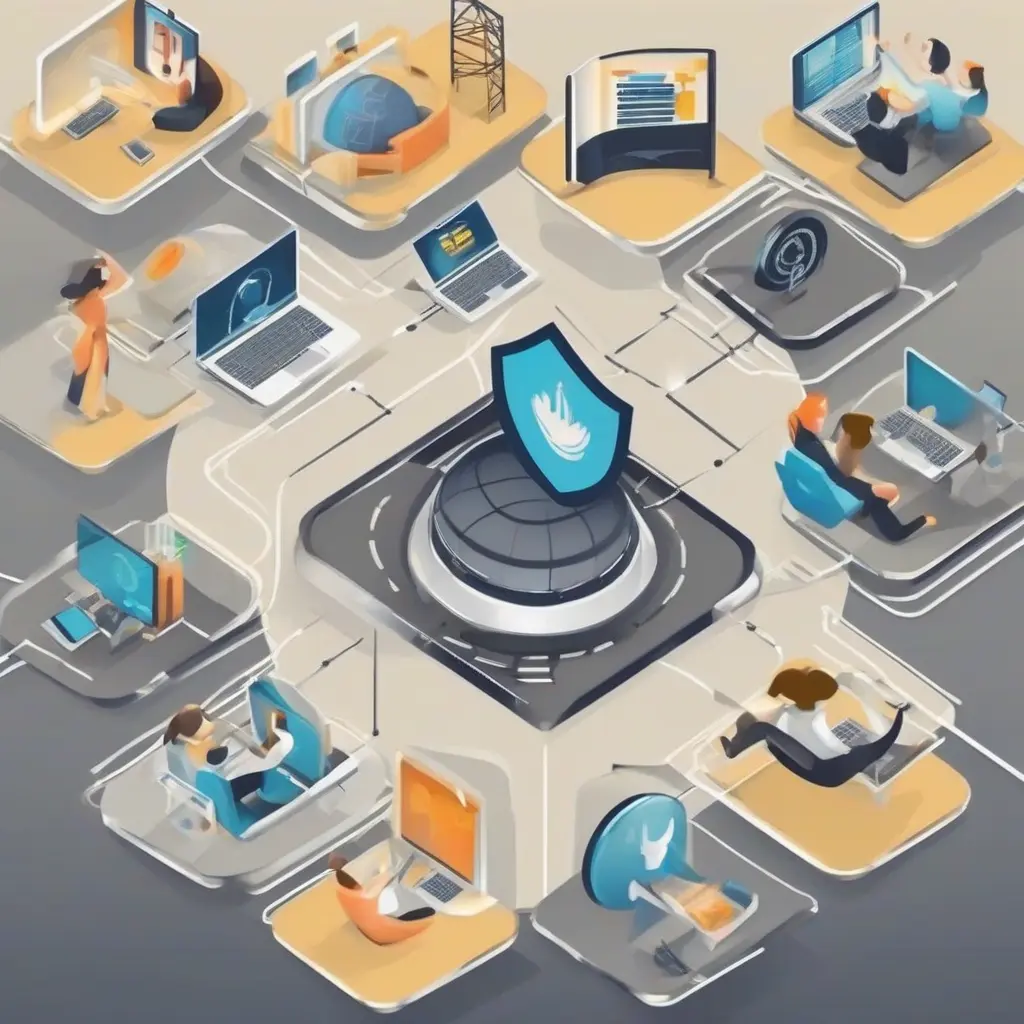
VPNs operate by establishing a secure ‘tunnel’ between your device and the VPN server. When you connect to the internet, your data usually travels in plaintext, making it easier for eavesdroppers to access it. A VPN encrypts your data before it leaves your device, scrambling it into an unreadable format. Only the VPN server can decrypt this information, which means even if attackers intercept the data, they cannot understand it. This process not only ensures data confidentiality but also provides anonymity, allowing you to browse the web more discreetly.
The Benefits of Using a VPN
Using a VPN offers several advantages, the most significant of which is enhanced privacy and security. VPNs encrypt your data, protecting it from cyber attacks, particularly on public Wi-Fi networks. Additionally, a VPN can help you bypass geographical restrictions by allowing you to connect to servers in different countries—enabling access to content that may be restricted in your region. Moreover, many users find that VPNs improve their online experience by reducing bandwidth throttling imposed by ISPs on activities like streaming or gaming.
Who Needs a VPN?
Virtually anyone who uses the internet can benefit from a VPN, but certain groups may find it especially useful. Remote workers, for example, often use VPNs to securely access company networks and sensitive data. Travelers may rely on VPNs to connect to public Wi-Fi safely without risking personal information. Additionally, individuals who frequently use streaming services can utilize a VPN to overcome regional restrictions on content. Furthermore, privacy-conscious users may adopt VPNs to safeguard their online activities from surveillance and data collection.
Common Misconceptions About VPNs
Many misconceptions surround VPNs that may deter individuals from using them. One common myth is that VPNs are only necessary for tech-savvy users, but this is not the case; they are user-friendly and accessible to everyone. Another misconception is that using a VPN guarantees anonymity, which is only partially true. While VPNs enhance privacy, they do not make users completely untraceable. Moreover, some believe that VPNs slow down their internet speeds; however, reputable VPNs often have servers optimized for speed, and users can enjoy a faster connection under certain conditions.
Choosing the Right VPN
Selecting an appropriate VPN involves evaluating several factors such as security features, speed, and compatibility with multiple devices. Look for VPNs that offer strong encryption protocols, a no-logs policy, and reliable customer support. Some popular VPNs also allow users to connect multiple devices simultaneously, which is beneficial for families or individuals with various gadgets. Additionally, consider the pricing plans and free trial periods that can help you test the service before committing long-term. This thorough research ensures you pick a VPN that aligns with your specific needs.
VPNs and Streaming Services
For those who enjoy streaming media, VPNs provide an effective way to access geographically restricted content. Many streaming platforms impose licensing agreements that prevent certain shows or movies from being available in specific regions. A VPN can help users bypass these restrictions by connecting to servers in locations where the desired content is accessible. However, it is essential to choose a VPN that can effectively navigate around the security measures employed by streaming services to avoid being blocked. This capability allows for a seamless, enjoyable viewing experience.
Legal Considerations Surrounding VPN Use
While VPNs offer enhanced privacy, it’s crucial to understand the legal landscape surrounding their use. In most countries, using a VPN for legitimate purposes is legal; however, some nations impose restrictions or outright bans on VPN technology. This is often due to governmental surveillance or censorship policies. Before using a VPN in a foreign country, it’s advisable to research local laws to ensure compliance. Using a VPN responsibly and ethically helps users navigate the complex world of digital privacy without violating legal boundaries.
Potential Downsides of VPNs
Despite their benefits, VPNs are not without potential downsides. One concern is that free VPN services, while appealing, often come with limitations such as slower speeds, monthly usage caps, or inadequate security measures. Additionally, subscription-based services may require ongoing financial commitment. There can also be connectivity issues; not all servers provide reliable performance. To mitigate these downsides, users should carefully read reviews and comparisons of various VPN providers to find a solution that offers the ideal balance of performance, security, and cost.
Conclusion
In summary, VPNs are valuable tools for anyone looking to enhance their online privacy, security, and access to content. Understanding how they work, their benefits, and considerations when choosing one can empower individuals to navigate the internet more securely. As cyber threats evolve, having a reliable VPN can be an essential component of your online defense strategy.