The Internet of Things (IoT) has revolutionized the way we interact with the world around us. By integrating everyday devices with the internet, IoT has transformed simple objects into smart devices that can communicate, collect data, and perform tasks automatically. From smart home technologies like thermostats and lights to wearable fitness trackers, the IoT landscape is wide-ranging and impactful. This article explores various IoT applications, their benefits, and how they enhance our daily lives, providing a clearer understanding of this evolving technology.
Understanding IoT: A Brief Overview
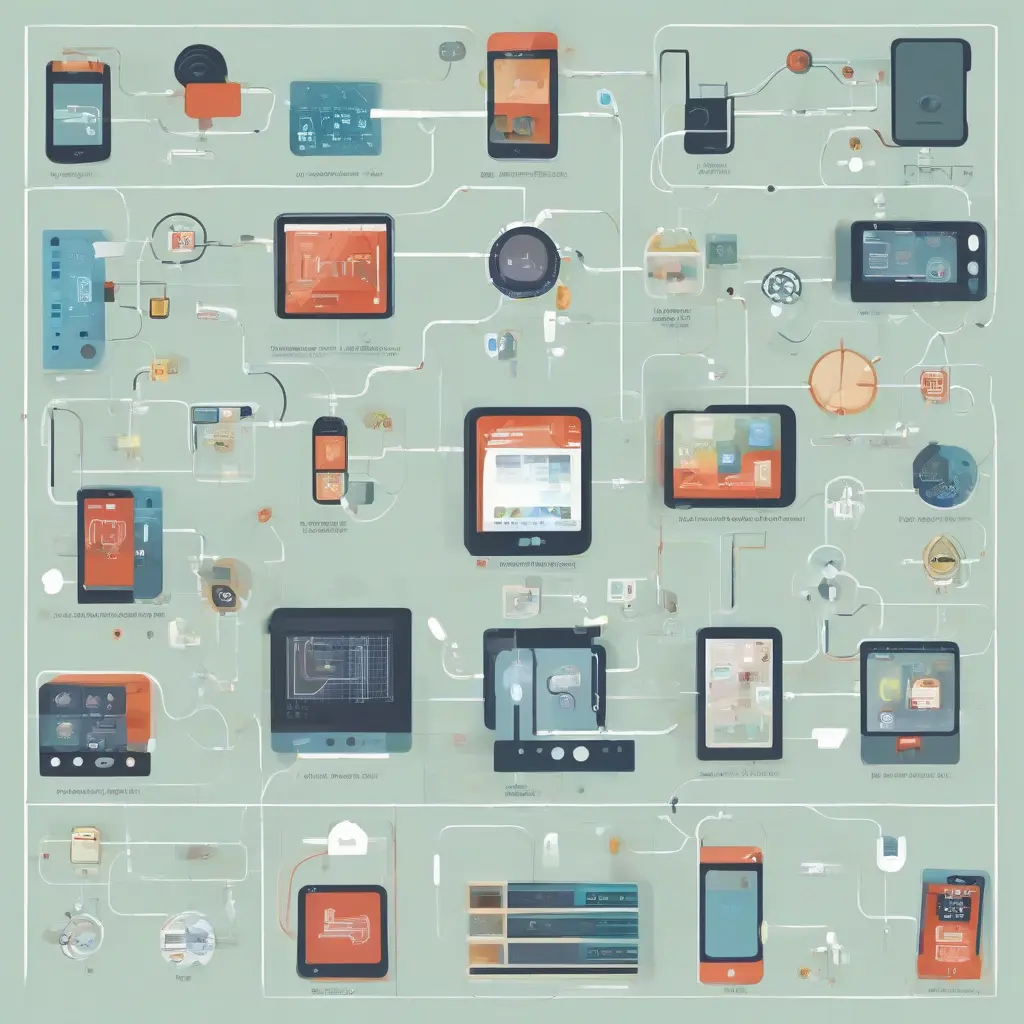
The Internet of Things refers to the network of physical devices embedded with sensors, software, and other technologies to connect and exchange data over the internet. This concept enables these devices to interact with one another, allowing for unprecedented levels of automation and efficiency in various sectors. IoT technology extends beyond consumer gadgets; it encompasses industrial machines, transportation systems, and agricultural equipment. By facilitating data collection and analysis, IoT systems help optimize processes, improve decision-making, and enhance user experiences.
Smart Homes: The Heart of IoT
Smart home technology exemplifies the practical applications of IoT in our everyday lives. Devices like smart thermostats, lights, and security cameras can be controlled remotely via mobile apps or voice commands. This interconnectedness allows homeowners to monitor their properties, adjust energy consumption, and enhance security without physical presence. Additionally, these devices can learn user preferences over time, further optimizing comfort and efficiency. The convenience that smart homes offer is paving the way for a more automated and user-friendly future.
Wearable Devices: Fitness Meets Connectivity
Wearable technology has gained immense popularity, primarily due to its integration with the Internet of Things. Devices like smartwatches and fitness trackers collect data related to health metrics such as heart rate, steps taken, and sleep patterns, allowing users to monitor and improve their well-being. These wearables send this information to smartphones or cloud platforms for analysis, providing insights into personal health trends. As individuals become more health-conscious, the demand for connected wearables is expected to increase, showcasing the value of ongoing health monitoring.
Smart Transportation: Enhancing Mobility
The IoT is also having a transformative impact on transportation systems. Connected vehicles utilize IoT technology to improve safety, efficiency, and the overall travel experience. For instance, vehicles equipped with sensors can communicate with traffic lights, other cars, and traffic management systems to optimize routes and reduce congestion. Additionally, fleet management solutions leverage IoT to monitor vehicle maintenance and fuel consumption, leading to cost savings and improved operational efficiency. This shift towards smart transportation is essential for creating sustainable urban environments.
Healthcare Innovations: Improving Patient Care
IoT in healthcare is revolutionizing patient monitoring and management. Connected medical devices such as glucose monitors, wearables, and smart beds allow for real-time tracking of patients’ health data. This information can be sent directly to healthcare professionals, enabling timely interventions and personalized care plans. Remote patient monitoring also reduces the need for hospital visits, making healthcare more accessible. As healthcare IoT continues to evolve, it promises increased efficiency and better outcomes for patients while reducing the burden on healthcare systems.
IoT in Agriculture: Smart Farming Practices
Agricultural practices have been transformed by IoT technology, leading to more efficient farming techniques. Smart sensors monitor soil moisture, temperature, and crop health, providing farmers with real-time data to make informed decisions. This data-driven approach helps optimize irrigation, reduce waste, and improve yield. Farmers can also use drones to collect aerial data on crop health, further enhancing their monitoring capabilities. By adopting IoT solutions, agriculture can become more sustainable and responsive to varying environmental conditions.
Security Concerns in the IoT Landscape
While IoT offers numerous benefits, it also introduces security risks that must be addressed. With increased interconnectedness, devices are vulnerable to hacking and unauthorized access, posing threats to user privacy and data security. Manufacturers must implement robust security measures to protect devices and ensure the safe transmission of data. Regular software updates and user awareness are crucial in mitigating potential risks. As the IoT ecosystem continues to expand, prioritizing security will be essential to fostering consumer trust and promoting widespread adoption.
Future Trends in the Internet of Things
The future of the Internet of Things is poised for exponential growth, with advancements in technology paving the way for new applications. As 5G networks become more prevalent, the speed and reliability of IoT devices will improve, enabling more complex functionalities, such as real-time data processing. Machine learning and artificial intelligence integration are expected to enhance automation, making devices smarter and more responsive to user needs. Additionally, as sustainability becomes a priority, IoT applications aimed at energy efficiency and resource management will likely rise in popularity.
Conclusion
In conclusion, the Internet of Things is a transformative technology impacting various aspects of daily life. From enhancing home automation to revolutionizing healthcare and agriculture, IoT is reshaping how we interact with our surroundings. As advancements continue to emerge, understanding IoT will be essential for leveraging its full potential. By embracing these developments, individuals and businesses can enhance efficiency, improve safety, and foster a more connected future.