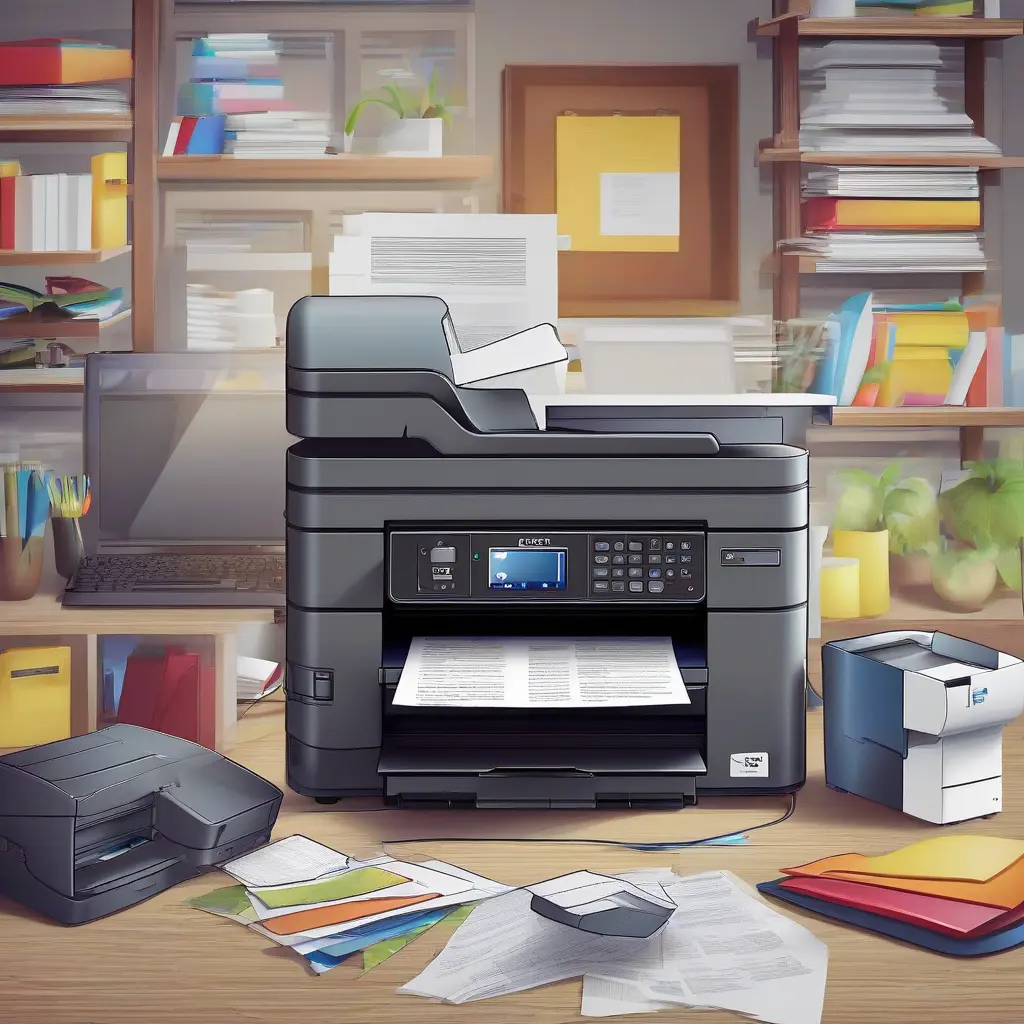
Printer issues can disrupt workflow and cause frustration, whether at home or in the office. Understanding common printer problems and their solutions can save time and prevent costly repairs. This guide covers various issues, from connectivity to printing quality, providing straightforward troubleshooting steps. With proper maintenance and a little know-how, many printer problems can be resolved quickly. Follow this guide to gain practical insights into keeping your printer functioning smoothly, ensuring that you can produce documents seamlessly.
Check Power and Connections
One of the first steps in troubleshooting any printer issue is to ensure the device has power and is correctly connected. Check that the printer is plugged into a working outlet and that the power switch is on. Next, inspect the cable connections between the printer and the computer or network. For wireless printers, confirm that the Wi-Fi connection is active. Sometimes, simple power cycling—turning the printer off and then back on—can resolve minor glitches.
Examine Printer Status and Error Messages
Most modern printers feature displays that provide alerts and error messages. If your printer isn’t functioning properly, check the display for any indicators or error codes. Understanding these messages can pinpoint the underlying issue, whether it’s a paper jam, low ink, or an offline status. Refer to the printer manual for specific error codes to interpret the messages accurately. Resolving the errors indicated on the screen can often restore normal functionality.
Clear Paper Jams
Paper jams are a frequent issue that can prevent printers from working correctly. If you hear unusual sounds or if the printer does not feed paper, there may be a jam. Carefully open the printer envelope to locate the jammed paper. Always remove the paper gently to avoid tearing it and leaving fragments inside. Make sure to check all paper paths, including the rear access panel if it exists, and ensure the printer is free of debris to prevent future jams.
Check Ink or Toner Levels
Low ink or toner levels can lead to poor print quality and unexpected interruptions during printing tasks. Many printers provide alerts when ink levels are low; however, it is a good practice to periodically check the levels manually. Open the printer settings on your computer or view the built-in display to assess the remaining ink or toner. If levels are low, replace the cartridges with new ones, ensuring they are compatible with your printer model for optimal performance.
Update Printer Drivers
Outdated printer drivers can cause compatibility issues, leading to various printing problems. To ensure that your printer operates smoothly, regularly check for driver updates. Visit the manufacturer’s website or use the printer’s software to search for available updates. Downloading and installing the latest drivers can fix bugs, enhance performance, and allow your printer to work seamlessly with different operating systems and applications.
Adjust Print Settings
Sometimes, print quality issues can be resolved by adjusting print settings. Check your document’s settings before sending it to print to ensure that the correct paper type and quality settings are selected. For instance, using photo paper settings for standard documents can lead to unnecessary ink usage and longer print times. Adjusting these options in the print dialog box can help achieve the desired output without technical issues.
Enable Printer Sharing
In a multi-user environment, enabling printer sharing can enhance accessibility. Ensure that the printer is set up for sharing within the network settings if multiple devices are printing to a single printer. Check the configuration on your computer to confirm that printer sharing is enabled. You may need to adjust the settings in the control panel or printer management applications, ensuring other users have permission to access and use the printer efficiently.
Restart the Print Spooler Service
If documents are stuck in the queue and unable to print, the print spooler service may need a restart. The print spooler manages print jobs sent to the printer. Access the services window on your computer, locate the print spooler service, and right-click to select restart. This action can clear the queue and resolve any issues related to printing processes that are not being executed properly.
Consider Printer Compatibility
Compatibility issues between the printer and the operating system may also arise, especially after updates or changes to software. Always ensure your printer model is compatible with the current operating system and applications you are using. Check the manufacturer’s website for software updates or drivers that support the latest technologies. If incompatibility is an ongoing issue, consider using a different USB cable or switching to a wireless connection if supported.
Conduct Regular Maintenance
Regular maintenance is crucial for preventing many common printer problems. Keep the printer clean by dusting and removing debris from the paper tray and other internal components. Schedule routine checks for ink levels, print quality tests, and calibration processes. Regularly updating firmware can also help maintain optimal functionality. By implementing a proactive maintenance routine, you can extend the lifespan of the printer and reduce the occurrence of errors.
Conclusion
Troubleshooting printer problems does not have to be time-consuming or frustrating. By following these outlined steps, you can resolve most issues quickly and efficiently. Understanding the common problems and knowing how to address them can significantly improve your printing experience. Remember that regular maintenance, driver updates, and monitoring printer status are key practices to ensure continued printer functionality for both personal and professional use.