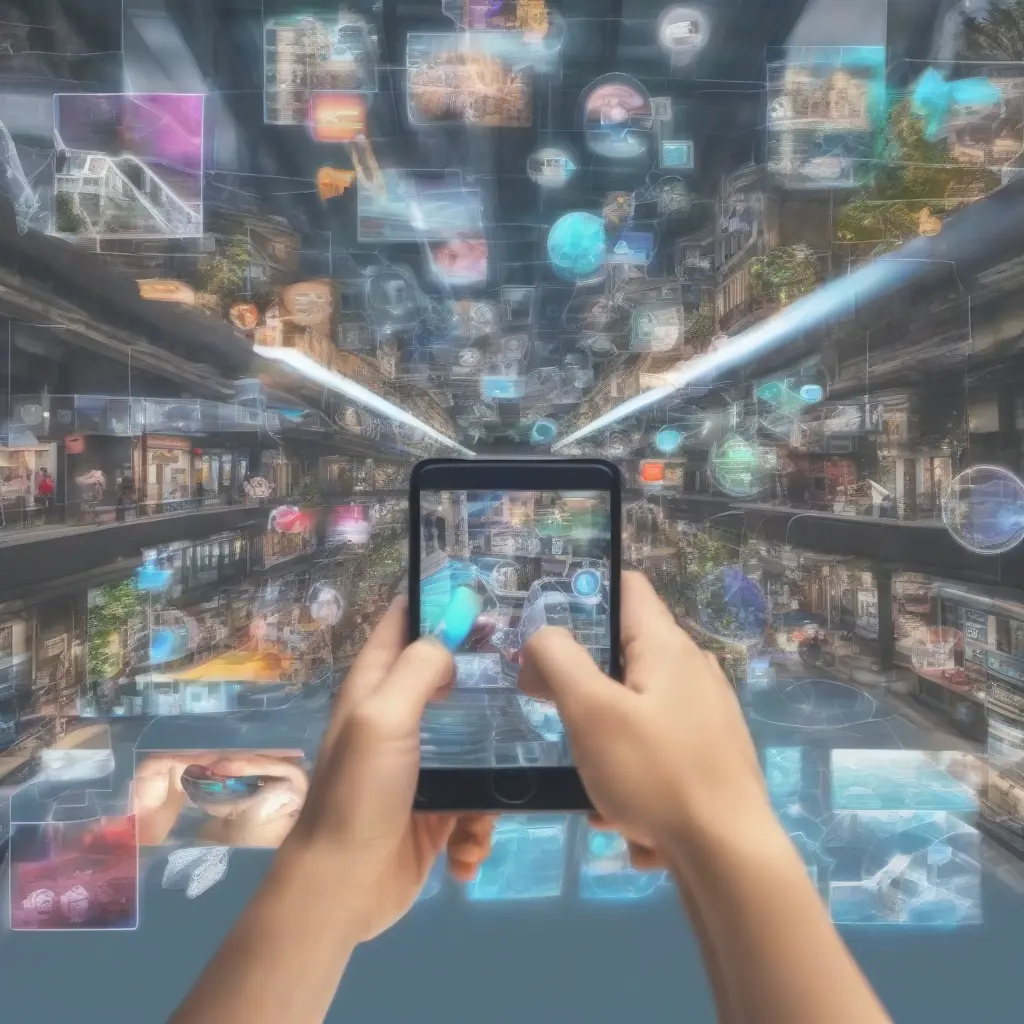
Augmented Reality (AR) is a transformative technology that blends digital information with the real world, enhancing the way we interact with our surroundings. Leveraging AR applications, users can experience a seamless integration of virtual elements into their everyday lives, reshaping everything from entertainment to education. By providing real-time information and interactive visuals, AR is creating new pathways for communication and engagement. As this technology continues to evolve, understanding its fundamental principles and applications becomes essential for grasping its impact on future interactions.
What is Augmented Reality?
Augmented Reality refers to the technology that overlays digital content onto the real world, enhancing the user’s perception of their environment. Unlike Virtual Reality (VR), which immerses users in a completely digital space, AR modifies the real world using various devices, including smartphones, tablets, and specialized glasses. AR technology utilizes sensors, cameras, and software algorithms to accurately place digital objects within physical settings, offering a blended, interactive experience. This seamless integration allows users to interact with both real and digital elements in real-time, opening up a world of possibilities across various sectors.
How AR Works
The core functionality of AR involves capturing the user’s real-world environment through cameras and sensors, which then analyzes and interprets the space. Once the environment is mapped, the AR software determines where to display virtual objects, ensuring they align properly with the user’s perspective. Techniques such as marker-based AR utilize visual markers or QR codes to trigger digital content, while markerless AR relies on geographic locations and indoor positioning. Advanced AR systems also incorporate depth sensors and spatial mapping for improved accuracy, creating a fluid experience that engages users dynamically.
The Role of AR in Modern Technology
As technology evolves, AR has become an essential component of various industries, including healthcare, retail, and education. In healthcare, AR can assist in surgical procedures by providing real-time data and visual guides, enhancing the accuracy and safety of surgeries. Retailers leverage AR to enhance shopping experiences, allowing customers to visualize products in their own homes before making a purchase. Similarly, in education, AR offers interactive learning experiences, making complex subjects more accessible and engaging for students. This cross-industry utilization underscores AR’s potential to revolutionize traditional practices.
Augmented Reality in Entertainment
The entertainment industry is prominently exploring the capabilities of AR by transforming how audiences engage with content. Mobile games like Pokémon GO have popularized AR by allowing users to interact with virtual characters in real-world settings, fostering a unique and immersive gameplay experience. Beyond gaming, AR is also enhancing live events, providing interactive environments at concerts and exhibitions. As filmmakers and artists embrace AR technologies, audiences can expect increasingly innovative storytelling methods that blend the digital and physical realms, elevating overall entertainment experiences.
AR’s Impact on Social Interaction
Augmented Reality is redefining social interactions by facilitating new forms of communication and connection. Social media platforms are integrating AR features to enhance user engagement, such as filters and effects that overlay digital elements on photos and videos. These interactive features enable users to express themselves creatively, fostering a sense of community among users. Additionally, AR can facilitate remote interactions, allowing users to connect with others in real-time through shared experiences. This evolution in communication reflects how AR technology is bridging geographical gaps and transforming relationships.
Challenges Facing Augmented Reality
Despite its potential, Augmented Reality faces several challenges that may hinder widespread adoption. Privacy concerns arise as AR applications often rely on collecting user data and environmental information, raising ethical questions surrounding data use. Technical limitations, such as battery life and processing power on mobile devices, also restrict the full functionality of AR experiences. Furthermore, developing content that seamlessly integrates with various environments remains a complex task. Overcoming these challenges will be essential for ensuring AR technology can be fully embraced and effectively utilized across diverse sectors.
Future of Augmented Reality
The future of Augmented Reality appears promising as technological advancements continue to expand its capabilities. Emerging technologies, including 5G connectivity and advanced AI, are set to enhance AR experiences by enabling quicker data processing and richer, real-time interactions. Additionally, industries are increasingly investing in AR research and development, signaling a commitment to innovative applications that impact daily lives. As AR becomes more accessible and integrated into various segments, it is likely to evolve into a foundational technology that shapes future interactions, entertainment, and commerce.
Conclusion
In conclusion, Augmented Reality is a groundbreaking technology that enriches our interactions with the world around us. By merging digital elements with reality, AR is transforming industries, social communication, and entertainment experiences. As this technology continues to advance, understanding its applications and implications becomes crucial for embracing the future of human interaction and engagement.