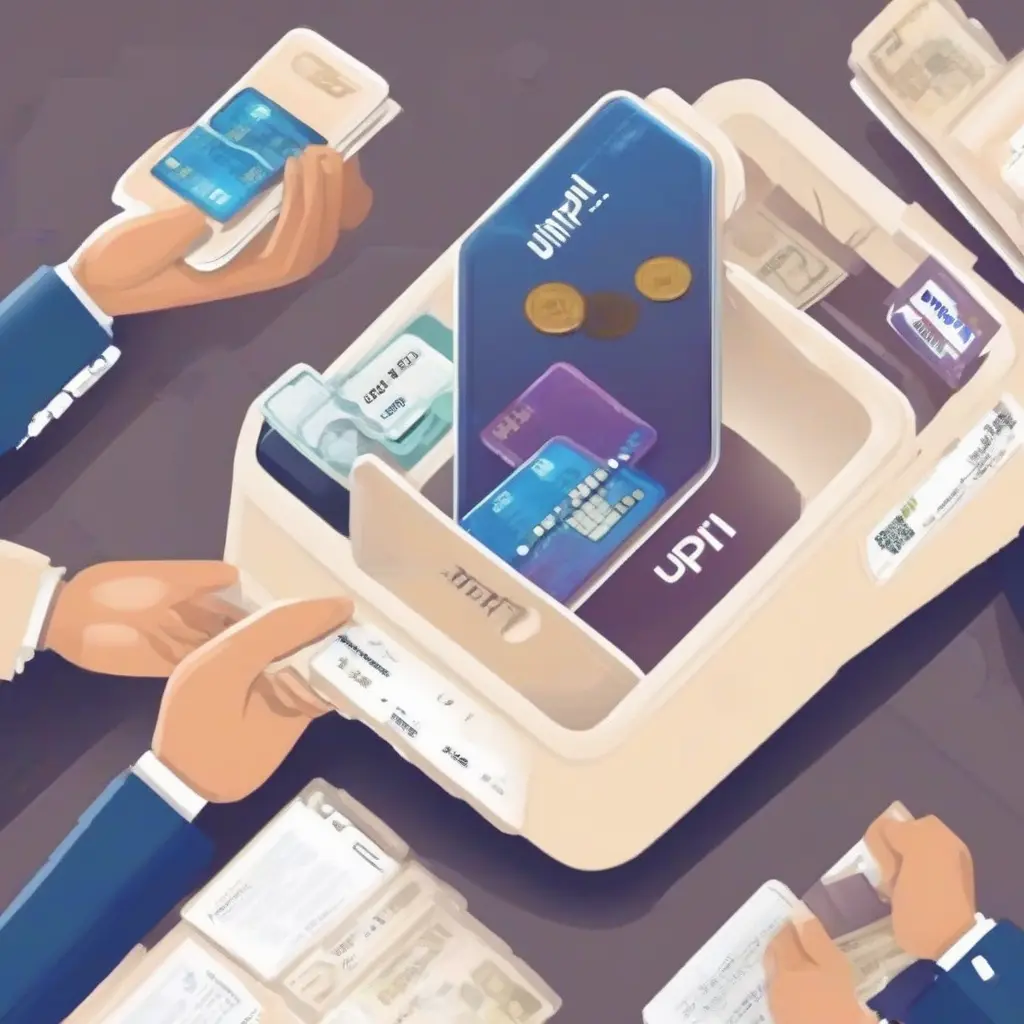
Unified Payments Interface (UPI) has revolutionized digital transactions in India by providing a fast, secure, and convenient way to transfer money. With UPI, users can instantly send or receive payments via their smartphones, eliminating the need for cash or traditional banking methods. This guide will delve into multiple facets of UPI, including its features, how to set it up, security measures, and the advantages it offers for everyday transactions. Whether you are a new user or someone looking to maximize your UPI experience, this comprehensive guide aims to provide valuable insights.
What is UPI?
Unified Payments Interface (UPI) is a real-time payment system developed by the National Payments Corporation of India (NPCI). Launched in 2016, UPI allows users to link multiple bank accounts and perform seamless peer-to-peer transactions in just a few clicks. UPI works on a mobile app, enabling users to send and receive money using a mobile number or a unique UPI ID. The primary objective of UPI is to simplify digital payments, making it accessible for everyone in India.
How to Set Up UPI
Setting up UPI is a straightforward process that involves downloading a compatible mobile app from your bank or a third-party provider like Google Pay or PhonePe. Once the app is installed, users must enter their mobile number linked to their bank account and set up a secure PIN. After verifying their identity through an OTP, users can create their unique UPI ID. This UPI ID will serve as the primary identifier for transactions, making it easier to send and receive money.
Linking Bank Accounts
To make the most of UPI, users can link multiple bank accounts within the same app. This feature allows users to choose which bank account to use for any given transaction without needing to switch apps. Users can select their preferred bank during the linking process and confirm the linkage via OTP. This flexibility enhances the user experience, enabling quick transactions regardless of which account has sufficient balance.
Understanding UPI IDs
A UPI ID is a unique identifier that simplifies transactions by removing the need for bank account details. It usually comprises a username followed by ‘@’ and the bank name. For instance, ‘user123@bankname’. Users can easily share their UPI IDs with others to receive payments or can search for someone by entering their UPI ID or mobile number in the app. This user-friendly approach has contributed significantly to UPI’s popularity.
Making Payments with UPI
Making payments via UPI is simple and quick. Users need to open their UPI-enabled app, enter the recipient’s UPI ID or select their contact, enter the transaction amount, and provide any optional notes. After reviewing the details, the user can proceed to enter their secure UPI PIN to authorize the transaction. The funds are transferred almost instantly, making UPI a preferred choice for day-to-day purchases, bill payments, and other financial activities.
Security Measures for UPI
UPI employs multiple layers of security to protect user transactions. The use of two-factor authentication—like entering a secure PIN along with an OTP sent to the registered mobile number—ensures that unauthorized users cannot access account information. Additionally, users are advised to monitor their transaction history regularly and enable app security features, such as biometric authentication, to further enhance safety while using UPI.
Benefits of Using UPI
UPI offers various advantages that make it an appealing option for digital transactions. One of the key benefits is its instantaneous transaction capability, allowing users to send or receive money anytime, anywhere. UPI also eliminates transaction fees for personal transfers and consolidates multiple bank accounts into a single platform. Moreover, the ease of use and wide acceptance among merchants make it a convenient method for cashless transactions in India.
Common Issues and Troubleshooting
Despite its ease of use, users may encounter common issues when utilizing UPI, such as failure to link bank accounts or transaction delays. In such cases, ensuring a stable internet connection is crucial. Users should also verify that their bank supports UPI and check for any app updates that may resolve functionality issues. If problems persist, contacting customer support through the UPI app can provide further assistance.
UPI and Business Transactions
UPI is not just for personal finance; it also facilitates business transactions. Small merchants and large enterprises can adopt UPI as a payment solution, allowing customers to pay seamlessly through their smartphones. By incorporating UPI, businesses can shift towards cashless payments, reduce the risks associated with handling cash, and cater to a broader customer base that prefers digital methods for financial transactions.
Future of UPI in India
The future of UPI looks promising as digital payments continue to grow in India. With the government pushing for a cashless economy, UPI is expected to evolve with more features, such as integration with international payment systems and enhanced regulatory support for digital finance. As banks and fintech companies innovate, UPI may incorporate advanced security measures, making it even more attractive for users seeking safe and efficient transaction methods.
Conclusion
In summary, UPI stands as a transformative force in the landscape of digital payments in India. By offering a secure, instant, and user-friendly platform for transactions, UPI addresses the diverse needs of consumers and businesses alike. This comprehensive guide serves as a solid foundation for understanding and effectively utilizing UPI to enhance transactional experiences, ensuring users can take full advantage of its myriad benefits.