In our digital age, social media platforms serve as vital tools for connection, sharing, and information. However, with their increasing ubiquity comes significant privacy concerns. User data can be exploited in various ways, making it essential to take proactive measures to safeguard personal information. This guide delves into effective strategies for enhancing privacy on social media, ensuring a safer online presence. By employing these methods, users can enjoy the benefits of social media while minimizing risks to their personal data.
Understanding Privacy Settings
Every social media platform provides privacy settings that allow users to control who sees their information. Familiarizing yourself with these settings is the first step to safeguarding your data. Platforms like Facebook, Twitter, and Instagram offer options to adjust visibility on posts, friend requests, and profile information. Reviewing these settings regularly and adjusting them according to your comfort level can significantly enhance your privacy. It’s also beneficial to ensure that friends and followers can’t share your posts without your permission, adding another layer of security.
Limiting Personal Information Sharing
One of the most straightforward ways to protect your privacy is by limiting the personal information you share online. Avoid posting sensitive details such as your address, phone number, or financial information. Be cautious about revealing your location through check-ins or photos. This practice not only protects you from identity theft but also prevents unwanted attention. Consider using a nickname or alias when possible to further distance your real identity from your online persona. This method can create a buffer, keeping your true self safer.
Be Cautious with Friend Requests
Accepting friend requests from unknown individuals can compromise your privacy. It’s essential to scrutinize requests and only accept connections from people you know. Fake accounts can be created to gather personal data, leading to potential scams or harassment. If you’re uncertain about a request, take the time to investigate the person’s profile. Check for mutual friends, recent activity, and overall authenticity. This due diligence can help safeguard your account and prevent unwanted intrusions.
Utilizing Two-Factor Authentication
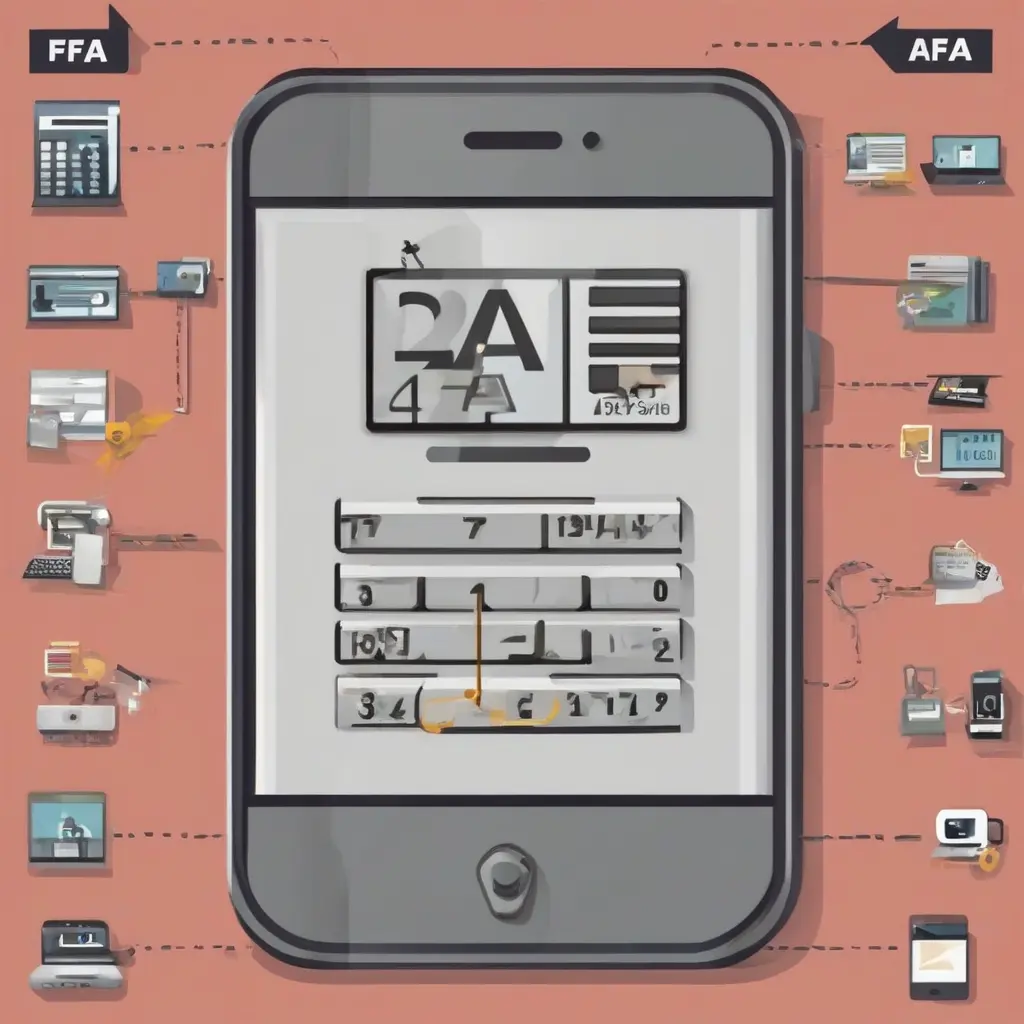
Implementing two-factor authentication (2FA) adds an extra layer of security to your social media accounts. This feature requires not only a password but also a second form of verification, often via a mobile device. By enabling 2FA, you can significantly reduce the risk of unauthorized access to your accounts. Even if someone manages to obtain your password, they would still need the secondary verification code sent to your phone or email. This extra step enhances your account’s security, making it a recommended practice for all users.
Regularly Updating Passwords
Changing your passwords regularly is a vital part of maintaining your online security. Use strong, unique passwords for each of your social media accounts to minimize the risk of being hacked. A combination of uppercase and lowercase letters, numbers, and special characters can create robust passwords that are difficult to guess. Consider utilizing a password manager to keep track of your passwords securely. Regularly updating them, especially after any suspicious activity, can help protect your privacy and secure your accounts.
Reviewing Third-Party Apps
Many social media platforms allow third-party applications to access your data for various purposes, such as analyzing social interactions or enhancing user experience. However, these apps can pose a risk to your privacy. Always review and restrict access to third-party applications that you no longer use or trust. Revoking permissions can prevent unnecessary data sharing and protect your personal information. Regularly auditing app permissions on your accounts ensures that only trusted apps have access to your data, maintaining better control over your privacy.
Being Aware of Phishing Scams
Phishing scams have become increasingly sophisticated, often disguised as legitimate communications from social media platforms. Be vigilant about unexpected messages or links, especially those asking for personal information. Always verify the sender’s identity and avoid clicking on unfamiliar links. Using official channels to contact support services can help ensure your safety. Educating yourself on common phishing tactics can empower you to recognize and avoid scams, thereby protecting your personal data from prying eyes.
Utilizing Content Filters
Content filters on social media platforms can help you manage what types of posts are visible to your followers. By customizing your content visibility settings, you can control who sees your posts and limit exposure to a broader audience. For example, selecting a ‘friends only’ option for posts allows you to share updates without making them public. This feature is particularly useful for sensitive topics and personal updates. Tailoring content visibility enhances your control over your online image and privacy.
Understanding Data Collection Policies
Awareness of how social media platforms collect and use data is crucial for protecting your privacy. Each platform has distinct data collection policies that outline what information is gathered and how it is used. Reviewing these policies and adjusting your privacy settings accordingly can provide better control over your data. Stay informed about privacy updates and changes to these policies, as platforms often modify their practices. Understanding the implications ensures that you are equipped to protect your personal data effectively.
Conclusion
Protecting your privacy on social media requires vigilance and proactive measures. By understanding and utilizing privacy settings, limiting personal information, and staying informed about security practices, users can create a safer online environment. Implementing strategies such as two-factor authentication, regularly updating passwords, and being cautious with third-party apps significantly enhances personal data protection. As social media continues to evolve, remaining educated about privacy practices remains essential for safeguarding personal information.