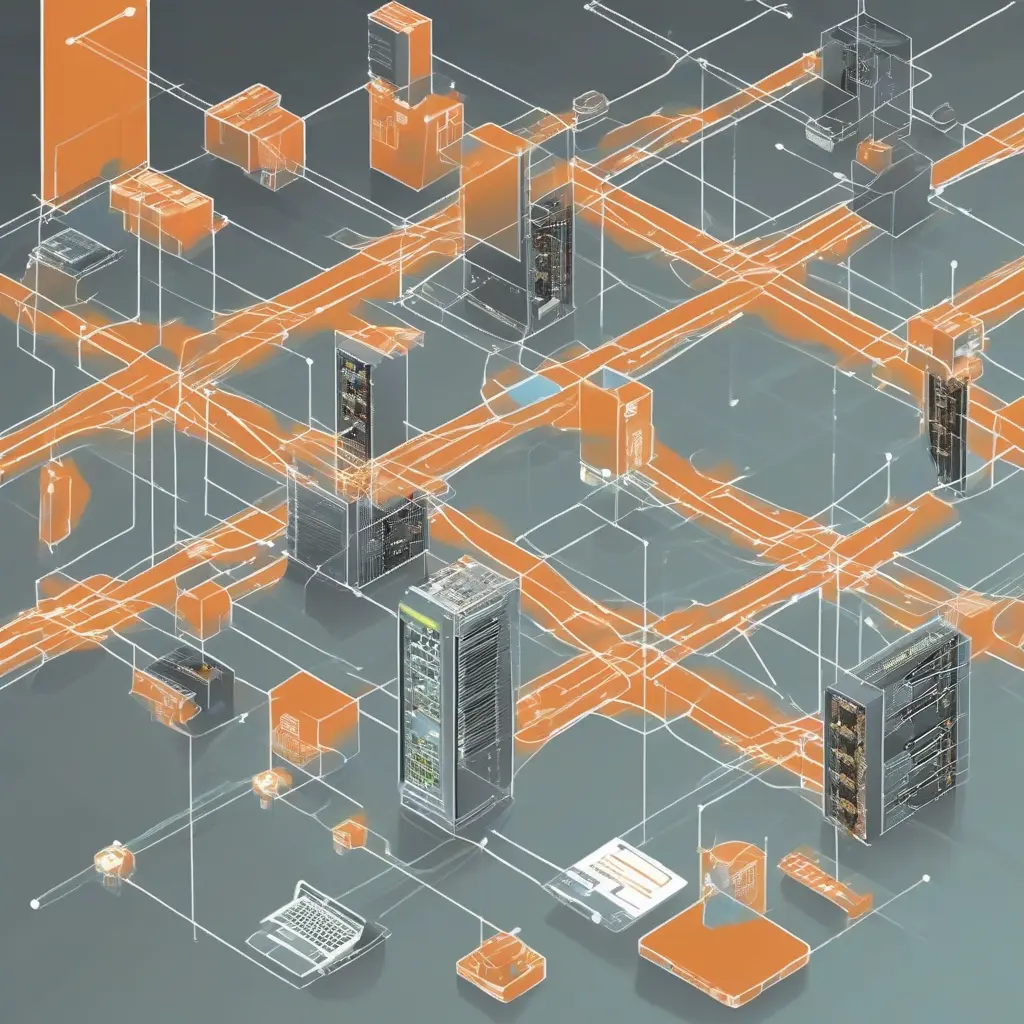
In today’s digital age, understanding network protocols is essential for anyone navigating the internet or engaging with technology. These protocols facilitate communication between devices, ensuring data is transmitted accurately and securely. This beginner’s guide delves into the core concepts of network protocols, focusing primarily on TCP/IP, the foundation of internet communication. We’ll explore how these protocols function, their importance, and the roles they play in a broader networking context, including newer protocols that are emerging.
What are Network Protocols?
Network protocols are the established rules and conventions that determine how data is transmitted and received over a network. They govern everything from how devices identify each other to how they establish connections and exchange data. By standardizing communication methods, protocols ensure that different devices, regardless of their manufacturer or operating system, can effectively communicate with one another. Understanding these protocols is fundamental for troubleshooting network issues and appreciating how the internet operates.
The Role of TCP/IP in Networking
Transmission Control Protocol/Internet Protocol (TCP/IP) serves as the backbone of the internet. TCP is responsible for ensuring that data packets are sent and received accurately, while IP handles the addressing and routing of these packets. Together, they ensure reliable communication between devices across various networks. The versatility and robustness of TCP/IP have made it the standard protocol for internet communication, utilized in connecting diverse devices globally. Its layered architecture allows for flexibility and efficiency in data transmission.
How TCP/IP Works
TCP/IP operates through a layered model, typically described in terms of four layers: Application, Transport, Internet, and Network Access. The Application layer is where user-interface protocols, like HTTP and FTP, reside, allowing users to interact with applications. The Transport layer, primarily managed by TCP, ensures reliable transmission. The Internet layer is responsible for packet routing, handled by IP. Finally, the Network Access layer deals with the physical transmission of data across various types of networks. Understanding these layers is crucial for grasping how data successfully traverses the internet.
Importance of Subnetting
Subnetting is a vital process in networking that divides a single IP network into multiple, smaller subnetworks. This enhances network efficiency and security by reducing broadcast domains and helping manage IP addresses effectively. By breaking down networks, organizations can optimize performance, improve security protocols, and manage data traffic better. Subnetting allows administrators to prevent unnecessary traffic from overwhelming the network, ensuring smoother communication and resource allocation.
Common Protocols Beyond TCP/IP
While TCP/IP is essential, there are numerous other protocols that play pivotal roles in specific networking scenarios. For instance, Hypertext Transfer Protocol (HTTP) is vital for web communications, while File Transfer Protocol (FTP) is commonly used for file transfers. Similarly, Simple Mail Transfer Protocol (SMTP) enables email communication. Understanding these additional protocols helps individuals appreciate the broader scope of network communication and the various tools that facilitate daily internet tasks.
The Evolution of Network Protocols
Network protocols have evolved significantly since the inception of the internet. Early protocols were limited in scope and functionality. However, as technology advanced, so did the complexity and capabilities of networking protocols. Modern developments introduce protocols designed for faster and more secure communications, such as IPv6, which addresses the limitations of IP address availability in IPv4. This evolution reflects the ongoing demand for efficient and effective communication methods as the number of connected devices continues to grow.
Understanding NAT and Its Benefits
Network Address Translation (NAT) is a technique employed in IP networks that allows multiple devices on a local network to share a single public IP address. This method not only conserves IP addresses but also enhances security by hiding internal IP addresses from external access. NAT facilitates seamless internet access for numerous devices while maintaining a level of obscurity for individual device identities. As a result, it plays an important role in enhancing the overall security and efficiency of network communications.
Networking Tools and Software
A variety of networking tools and software are available to help manage and troubleshoot networks effectively. Network monitoring tools, such as Wireshark, allow for packet analysis and traffic monitoring, enabling administrators to troubleshoot issues. Configuration management software aids in documenting and managing network devices. Firewalls protect networks from unauthorized access by filtering traffic based on predetermined security rules. These tools are essential for maintaining robust network health and performance.
Future Trends in Network Protocols
The future of network protocols is likely to be shaped by the rapid growth of technologies such as the Internet of Things (IoT) and artificial intelligence (AI). There’s a push towards more automation and standardization in networking. Emerging protocols are being designed with greater emphasis on security and efficiency to adapt to new challenges within increasingly complex networking environments. This trend indicates a dynamic future for network communication, emphasizing the importance of keeping up-to-date with these developments.
Conclusion
Understanding network protocols, especially TCP/IP, is crucial for anyone interested in technology and networking. As we navigate an increasingly connected world, knowledge of these protocols empowers individuals to troubleshoot issues, optimize performance, and appreciate the sophistication of digital communication. By staying informed about the evolution and future trends in networking, individuals can better prepare for the challenges and opportunities that lie ahead in the tech landscape.