The integration of chatbots into customer support systems is revolutionizing the way businesses interact with their customers. Utilizing artificial intelligence, these chatbots provide instant assistance, streamline inquiries, and enhance user experience significantly. With capabilities that range from answering frequently asked questions to processing transactions, chatbots offer a level of efficiency that human agents alone cannot match. Organizations adopting this technology are finding that it not only reduces operational costs but also boosts customer satisfaction rates, making it a crucial digital tool in today’s business landscape.
What are Chatbots?
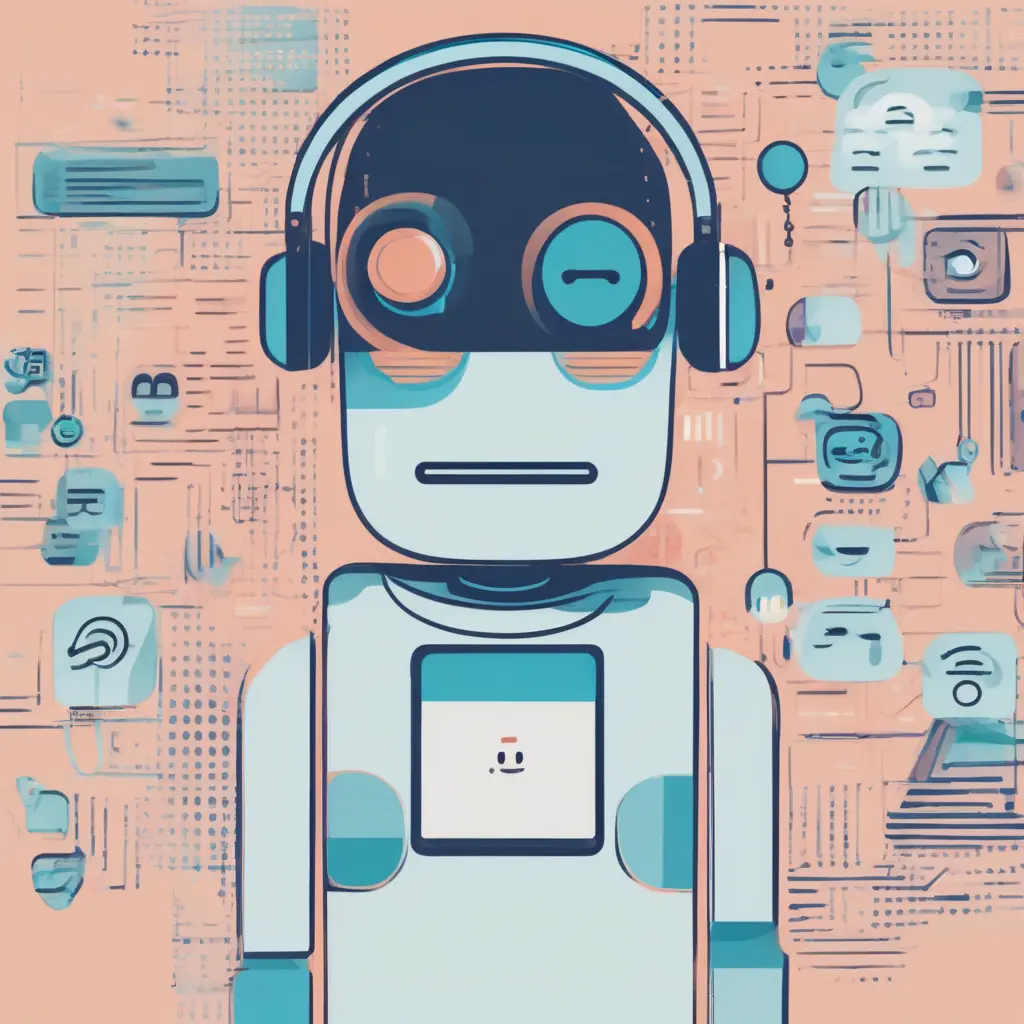
Chatbots are AI-powered software designed to simulate human conversation. They use natural language processing (NLP) and machine learning algorithms to understand and respond to customer inquiries effectively. These chatbots can be deployed on various platforms such as websites, messaging apps, and social media channels. With two main types—rule-based and AI-based—businesses can choose a solution that best fits their customer support needs. Rule-based chatbots follow specific instructions and scripts, while AI chatbots learn from interactions, making them more versatile and efficient over time.
Benefits of Chatbots for Customer Support
The adoption of chatbots in customer support brings numerous benefits that significantly enhance the overall user experience. One primary advantage is their ability to provide 24/7 assistance, allowing customers to receive help any time of day without waiting. This immediacy fosters customer satisfaction and loyalty. Additionally, chatbots can handle a high volume of inquiries simultaneously, which alleviates the workload on human support agents. By automating routine tasks, chatbots enable human agents to focus on complex issues, thus improving service quality and response times.
Improving Response Times
One of the most notable advantages of using chatbots in customer support is their ability to drastically improve response times. Unlike human agents, chatbots can instantly process queries and provide immediate answers. This elimination of wait times is critical for customers seeking quick resolutions to their issues. Studies show that faster response times lead to higher customer satisfaction and retention rates. Moreover, AI chatbots can prioritize and categorize inquiries, ensuring that urgent issues are addressed promptly, further enhancing the overall customer support experience.
Cost-Efficiency of Chatbots
Integrating chatbots into customer support systems is not only beneficial for customer satisfaction but also offers significant cost savings for businesses. By automating routine tasks and answering frequently asked questions, chatbots reduce the need for a large customer support team, allowing organizations to lower their operational expenses. Additionally, chatbots require less ongoing training compared to human staff, as their capabilities can be updated through software enhancements. This cost-efficiency enables businesses to allocate resources more effectively, ultimately leading to higher profitability.
Personalizing Customer Interactions
Despite being automated, chatbots can enhance customer interactions through personalization techniques. Advanced AI chatbots utilize user data and past interaction history to provide tailored responses that fit individual customer needs. This personalization can range from recommending products based on previous purchases to addressing customers by their names. By leveraging data analytics, businesses can create more engaging and relevant interactions, which fosters a stronger connection between the brand and its customers. This personalized approach often results in higher conversion rates and customer loyalty.
Challenges in Implementing Chatbots
While chatbots offer numerous benefits, there are challenges associated with their implementation that businesses must consider. One potential issue is the technology’s current limitations in understanding complex queries or context. This can lead to frustration for users when the chatbot fails to effectively comprehend their issues. Moreover, a poorly designed chatbot can reflect negatively on the brand image, creating distrust among customers. Continuous monitoring and updates are necessary to ensure that the chatbot remains effective and aligned with user expectations, which can require additional resources and time.
Future Trends in Chatbot Technology
As technology advances, the future of chatbots in customer support looks promising, with trends indicating further enhancements in AI capabilities. Emerging technologies, such as deep learning and more sophisticated NLP, will enable chatbots to understand context better and provide highly relevant responses. Additionally, the integration of voice recognition technology could evolve chatbots into advanced virtual assistants. Businesses should stay informed about these trends to leverage them effectively, ensuring their customer support systems remain competitive and meet the evolving expectations of consumers.
Chatbots and Multichannel Support
In today’s digital landscape, customers interact through multiple channels, making multichannel support essential. Chatbots can seamlessly integrate with various platforms such as social media, websites, and mobile applications, offering a cohesive support experience. This multichannel capability allows businesses to engage with customers where they prefer while ensuring consistent messaging. By providing support across different channels, companies can increase accessibility, improve response times, and ultimately enhance customer satisfaction. Chatbots thus serve as a critical tool for businesses aiming to deliver superior support in a multichannel environment.
User Experience Design for Chatbots
For chatbots to be effective, user experience design plays a vital role in their development. Focusing on intuitive interfaces and simple interaction flows can significantly influence user satisfaction. Clear language and a friendly tone improve engagement, making conversations feel more natural. Additionally, offering options for escalation to human agents is crucial, as it provides a safety net when the chatbot cannot resolve an issue. A well-designed chatbot prioritizes user needs, ensuring that interactions are both efficient and pleasant, thereby reinforcing the brand’s commitment to excellent customer service.
Conclusion
In conclusion, chatbots represent a transformative advancement in customer support, enhancing user experience through AI integration. Their ability to provide immediate, efficient, and personalized assistance not only boosts customer satisfaction but also offers significant cost savings for businesses. Despite the challenges associated with their implementation, the future of chatbots in customer support is bright, with ongoing innovations set to further enhance their capabilities. By embracing chatbots, businesses can better meet the evolving expectations of their customers and stay competitive in a rapidly changing digital landscape.